
- Stories
- Community Stories
- Questions answered by the Coromandel Peninsula General Election candidates
Questions answered by the Coromandel Peninsula General Election candidates
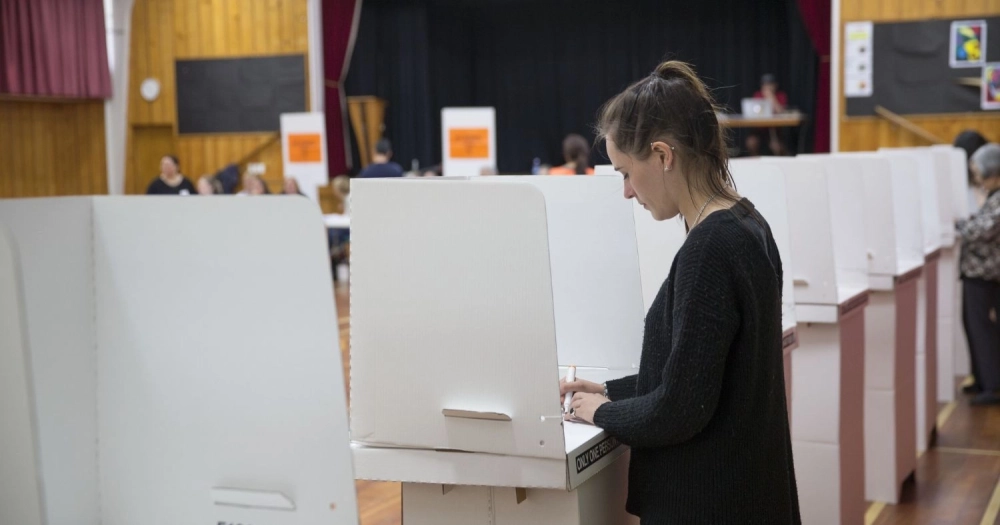
Not sure who to vote for in the national election? In this article learn more about the candidates for the Coromandel Peninsula. Candidates answer the same set of questions about what they could bring to these roles and what they feel are key issues for New Zealand and for the Coromandel Peninsula.
Help us get the word out!
If you like this article, please share it!
HOW INFORMATION ABOUT EACH CANDIDATE WAS COLLECTED
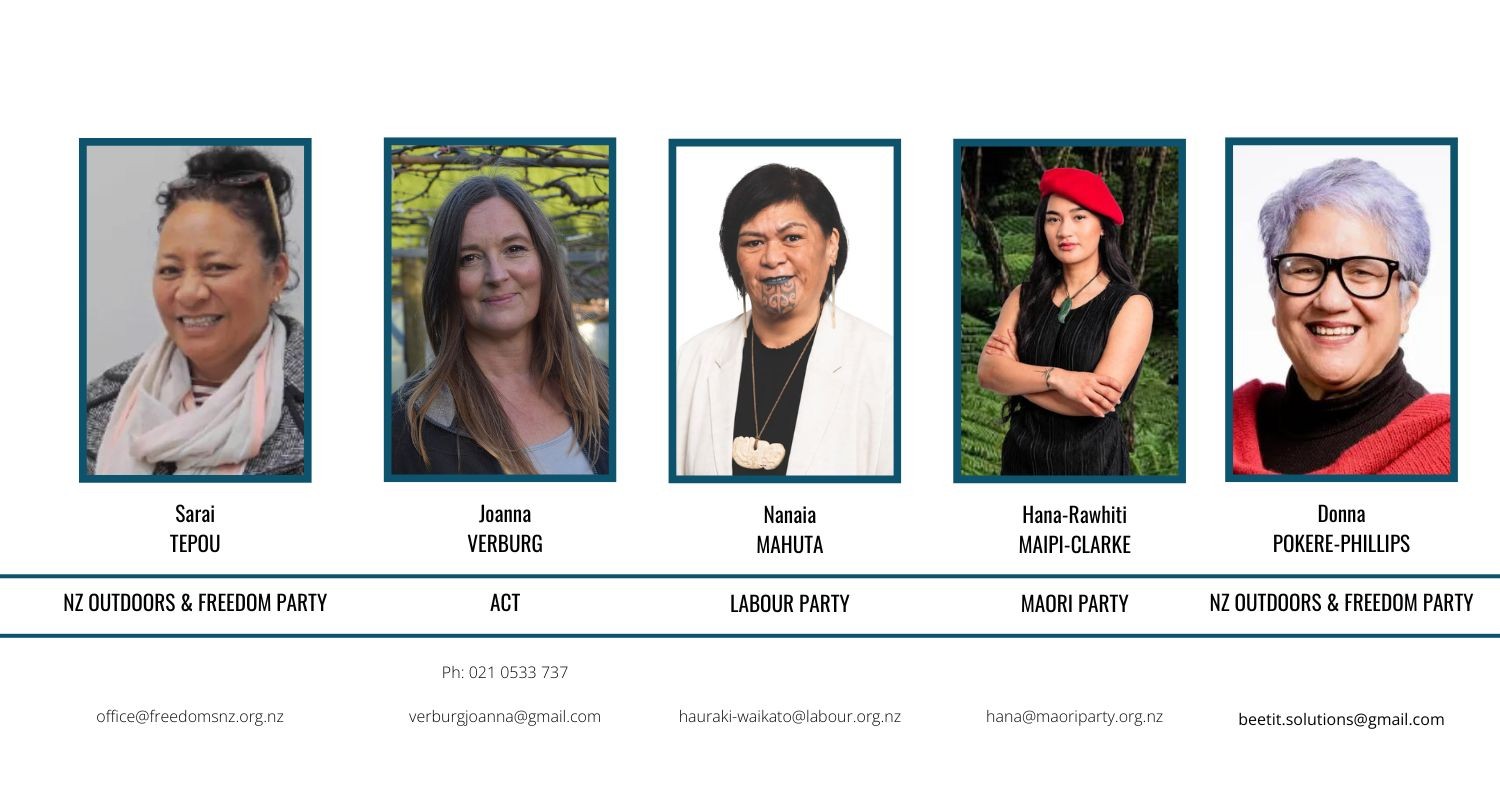
All candidates registered on Vote NZ for the Coromandel Peninsula were contacted by the All About Whitianga team and invited to participate in contributing to this article. Candidates were contacted via their email contact details provided on their individual party websites. Candidates that did not respond to the request to participate in this article have not been included in this article. Members of the public can contact candidates directly who have supplied phone or email details in the attached pdf at the bottom of this article.
Candidate have been asked these six questions
- Why are you interested in the position of MP for the Coromandel Peninsula?
- What do you think 3 key issues are for New Zealand and how can you or your party contribute to solving these?
- What do you think the key issues are for the Coromandel Peninsula and how can you or your party contribute to solving these?
- If you are elected as MP for the Coromandel how do you plan to keep in touch with your constituency?
- If you are elected as MP for the Coromandel what do you think a typical day would look like?
- What are your favourite places to spend time on the Coromandel Peninsula and why?
Party Candidates for the Coromandel Peninsula
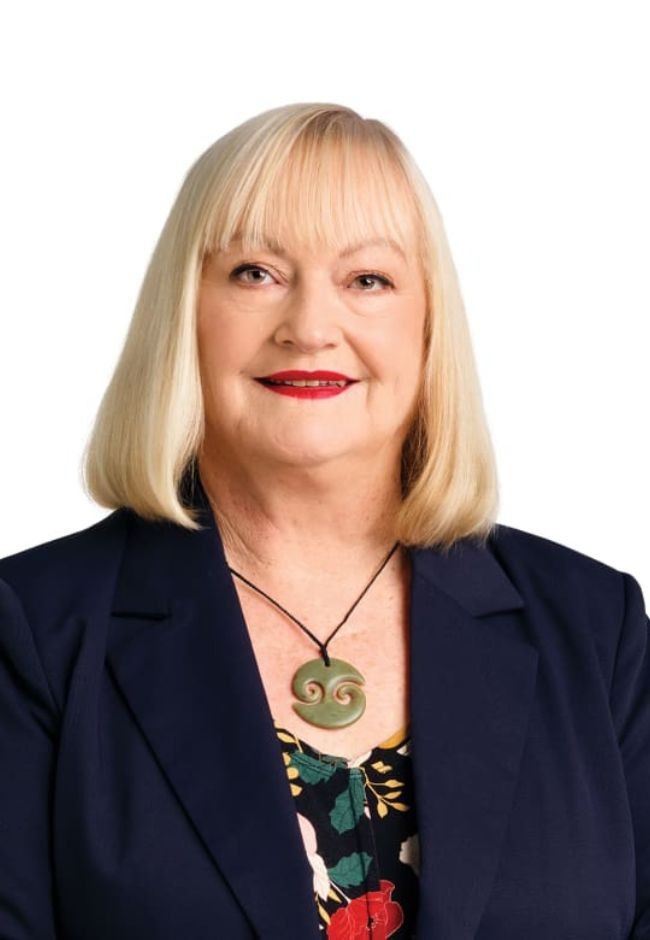
Beryl Riley - Labour
1. Why are you interested in the position of Member of Parliament for the Coromandel Peninsula?
I have been a warrior for social justice since I was 9 years old and organised a neighbourhood concert with all proceeds going to the Xmas cheer fund for local families who needed support to have a nice xmas. I made my first political speech at age 11 years at Intermediate School. I was my class rep on the school council and my class wanted the roman sandals dropped from the uniform so I had to present this. Then the principal said “but roman sandals are awfully good for mucking about in boats” and I replied "with respect sir that's all very well if your family can afford a boat". I still remember the steely stare he gave me. I don't think he would be surprised that I am standing as a Labour Party candidate as Labour is the party that has always cared for the most vulnerable in our community and always considers the needs of people before it makes any decision. I am standing for Labour in Coromandel as I believe Coromandel needs to return Labour to government so Labour can continue building on the policies it has brought in that are helping everyone cope with the cost of living crisis as well as looking to build a prosperous future for NZ with more International trade deals and developing our agri business and technology expertise to sell to the world.
I will bring my leadership, business management and people skills and experience as a community volunteer, business owner, teacher, guidance counsellor, psychologist, school principal and senior Ministry of Education District Manager for special education in three districts of NZ to being an effective Member of Parliament for the Coromandel.
2. What are the key issues for New Zealand, and how can your party contribute to solving these?
The key issues for NZ are helping people cope with the cost of living crisis with policies that assist kiwis without stoking inflation such as free dental care for people up to 30 years, 20 hours of free ECE for children from 2 years of age, GST of fresh and frozen fruit and veg, Winter energy No school fees or NCEA fees for school students, free buses for up to 14 years and half price for those up to 24 years, payments, 100000 more homes to get retro fit for insulation and heating to bring power prices down, continuing free first year of university, Continuing free apprenticeship training, Boosting tax credits for Working families.
Addressing climate change by continuing to work with farmers to bring our carbon emissions down, Moving with more speed towards using energy from renewable sources, moving our car fleet more quickly to using electric cars and eliminating the use of coal in industry. Designing schools and hospitals to utilise solar power and environmentally sustainable materials.
Continuing to be tough on crime (despite what National say) (Labour has built more public and transitional houses since 2017 than the 1950s) and assisting more young families into their first home. Continuing to grow our police force (we've trained 1800 new police officers and we are committed to training another 300). Cracking down even harder on organised crime and gangs with new legislation brought in especially, Investing in the Police force with new technology that allows operations like Operation Cobalt that has stopped huge amounts of "P" from being sold on the streets. Introducing new legislation so young people aged from 10 years can be charged with American style ram raid crimes and put into programmes designed to engage them in education and other positive activities instead of joining gangs. Building 2 new facilities for older youths (16 - 18) who are recidivists and requiring detention and rehabilitation programmes away from younger more novice youth.
Continuing to build our economy and high paying jobs by signing more trade deals with e.g. India and investing in agri business and technology (e.g. gaming developers) so we can sell our skills to the world.
3. What do you think the key issues are for the Coromandel Peninsula region and how can you help to address these?
- Connectivity (meaning better more resilient roading and better internet connectivity) and transport. I think we need to develop other transport options besides buses and cars too like developing regular ferries (with connections around the Coromandel and to Auckland) which may really come into their own if weather events cut off essential roads for moving people and freight - we could also develop ambulance speed boats as these would probably be cheaper to run than helicopters and more available than pilots.
- Access to health care particularly for our elderly in their homes or in residential care, alcohol and drug services and mental health services.
- Tackling climate change head on and beginning to develop managed retreat plans for some vulnerable parts of the peninsular
- Growing job training programmes for our youth e.g.apprenticeships, for those young people who wish to stay in their home communities
- Building on our creative talent on the Coromandel to bring both NZ and overseas tourists to enjoy both our beautiful scenery and active tourism as well as art / culture tourism ( e.g. develop a multi purpose arts facility in Whitianga).
- Needing a much bigger stock of both public and private housing built for families who wish to live here ( e.g. Thames hospital has lost the services of specialist staff recruited because they could not find suitable rental housing).
Labour is driven to create a smart, clean and green progressive economy where people can aspire to having high paying jobs. The world wants our produce and will pay a premium for products that can show they have been produced sustainably n a country with low carbon emissions and clean water. Our clean green brand is what makes our produce stand out on the world's.stage.
4. If you are elected as MP for the Coromandel how do you plan to keep in touch with your constituency?
Facebook, instagram, articles in community newspapers, joining in Community Board meetings either in person or by zoom.
Having regular electorate clinics in each community face to face plus visazoom. Having great approachable parliamentary office staff who can assist constituents as well as me.
5. If you are elected as MP for the Coromandel what do you think a typical day would look like?
I doubt that there is a typical day in the life of an MP! If I'm in Wellington I would need to be in touch with my local office team. If I am at home in Thames I could be in the office meeting constituents /regarding an issue they are having with a government department / visiting constituents in any part of the electorate re gaps in services they are experiencing / attending meetings with local government to consider issues like responses to damage to roading caused by weather events / attending a school prize giving or a special celebration at a rest home / meeting with Iwi to discuss some new venture e.g. The New Hub in Coromandel/ meeting with business or cultural associations / meeting with people looking for support for new business ideas e.g. tourism./ meeting with people concerned re conservation projects or pest control etc etc. Just as well I have an electric car.
6. What do you love about the Coromandel Peninsula and why?
I love living on the Coromandel with its glorious scenery, and resilient, community minded people. I particularly love living near the coast as I have never enjoyed living inland. I am never happier if I am swimming in water, on a boat on water or beside water with a nice beer and a good book - whether waves, estuary, or the beautiful Kauaeranga River. I also love the vibrant art / music and drama scene that seems to thrive in every Coromandel community. My life will be perfect when Thames gets its boutique movie theatre, Also some of my favourite people live on the Coromandel. I feel really at home here. And did I mention the food.
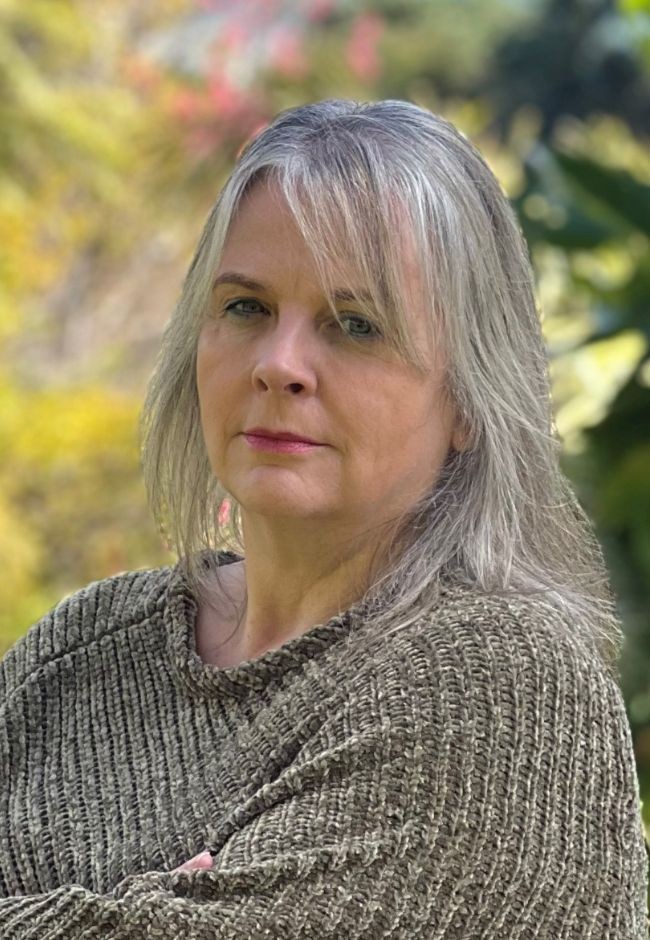
Pamela Grealey - Greens
1. Why are you interested in the position of Member of Parliament for the Coromandel Peninsula?
I live and in Kapanga/Coromandel Town and I consider myself to be very fortunate to live in such a beautiful part of the world. Its vital to me to ensure that the region thrives and grows, within the bounds of the planet, so that we don’t lose people and businesses to the regional centres where they can more easily find the support services that are needed. As a business owner in the region I understand the challenges and I can use my own skills and experiences to help do this as the MP for Coromandel.
2. What are the key issues for New Zealand, and how can your party contribute to solving these?
The biggest challenge we all face is the climate emergency as it impacts everything. The cost of living is rising and the additional public spending that is needed to mitigate and adapt to the continued effects of the climate due to these increasing number of ‘once in a lifetime events’ that are occurring. Our policies will provide comprehensive support for communities and individuals affected both by the transition to a net zero emission economy and by the impacts of already-unavoidable climate change
We will address the rising cost of living with our Ending Poverty Policies which include a guaranteed liveable income, free basic dental care, transforming Working for Families by creating a Family Tax credit of $215 a week for the first child and $135 a week for subsequent children. And we’ll ensure income tax settings are fair and progressive, including making the first $10,00 tax-free. All of these initiatives will help ensure a better outcome for all of us
3. What do you think the key issues are for the Coromandel Peninsula region and how can you help to address these?
The climate is obviously a key issue for the region, but we also the lack of available, affordable housing for our workers, young families and elderly on fixed incomes which make it a huge challenge for work places who need staff and those who want to return or remain in the area. We have around 4,000 houses that are empty for a significant period of time during the year as we are a very popular place for second homes. The Green party plan is to introduce policies that aim to address various housing-related challenges, such as rising rents, housing quality, indigenous community housing needs, and homelessness, by implementing a combination of rent controls, improved housing standards, increased housing development, and support services.
And of course we cannot forget the continued challenge of roading and public transport for all of us that live and work here.
4. If you are elected as MP for the Coromandel how do you plan to keep in touch with your constituency?
As the MP for Coromandel, I would keep in touch with the constituency with a mixture of in person & online events. Due to the distances involved the online option works for many people but I do envisage lots of trips around the electorate to see what is happening and how people are affected by the day to day of the world.
5. If you are elected as MP for the Coromandel what do you think a typical day would look like?
I suspect there is no such thing as a typical day for the Coromandel MP, the electorate is so diverse with tourism, agriculture, small businesses that concerns and challenges will be many and varied that require individual solutions. And of course there will be trips to Wellington to factor in.
6. What do you love about the Coromandel Peninsula and why?
What’s not to love about Coromandel ? We have bush and beaches, amazing towns and settlements, but for me the key thing is the community. I love knowing my neighbours and that we are all there to support each other in good times and bad and to help move us forward so that we all have the same sense of belonging. That spirit is what makes the Coromandel such a great place to live.
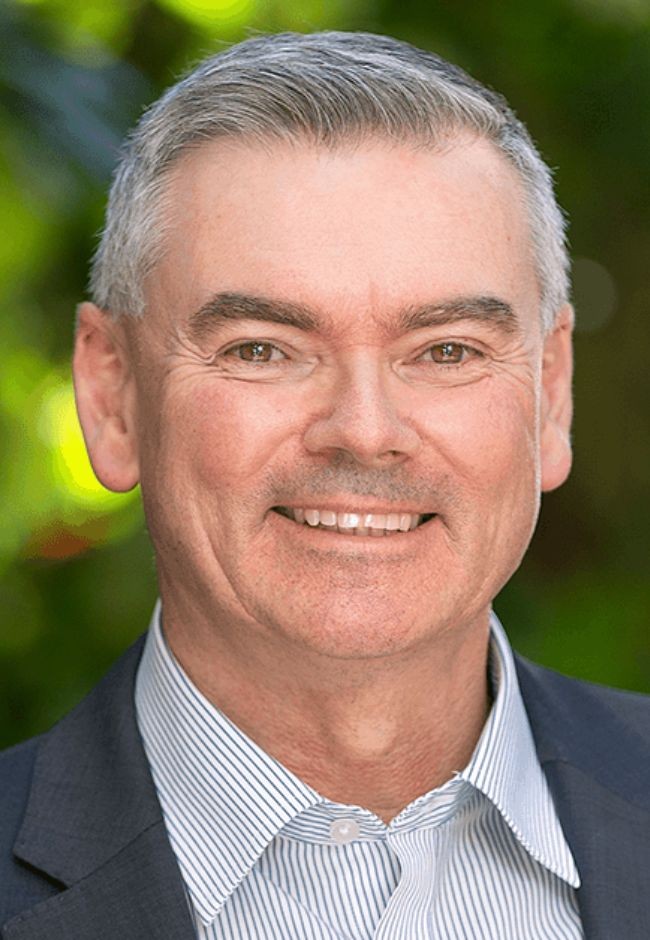
Scott Simpson - National
1. Why are you interested in the position of Member of Parliament for the Coromandel Peninsula?
Our region has been hard hit by the impacts of cyclones as well as six years under the current government and, like the rest of New Zealand, we’re hurting. Serving as Coromandel’s face and voice in our Parliament is a privilege and something I never take for granted. Doing so in a Chris Luxon, National-led new government will help get Coromandel and our country back on track.
2. What are the key issues for New Zealand, and how can your party contribute to solving these?
Chris Luxon and National will get our country back on track by rebuilding the economy to reduce the cost of living, restoring law and order and improving our schools and healthcare.
3. What do you think the key issues are for the Coromandel Peninsula region and how can you help to address these?
Our battered region is hurting. Every day SH25A remains closed, our local economy and communities bleed. I have been critical of the slow responses and the lack of urgency from government agencies like NZTA and DoC as well as our local council. I will continue to pressure them all for as long as it takes to get our region open and growing again. My National colleagues and I will maintain Coromandel’s access to the $6 billion fund set up to reconstruct transport infrastructure damaged during recent floods and cyclones to enhance long-term resilience in weather-affected regions like ours.
Much of our electorate is surrounded by the Hauraki Gulf. In the last days of Parliament, Labour introduced new legislation that would see changes to the way the Gulf is managed including a proposal to create big new marine protected spaces. At the same time they are consulting on banning bottom trawling in parts of the Gulf. Potentially that type of fishing would be pushed out around the eastern seaboard of the Peninsula. We all want to protect the Gulf but I’m not convinced Labour’s plans will benefit our side of the Gulf that extends down south to Waihi. I will need to be convinced their plans are best for our region and right now I’m not convinced.
4. If you are elected as MP for the Coromandel how do you plan to keep in touch with your constituency?
Ours is a huge electorate extending almost to Tauranga including Omokoroa and Katikati, the Hauraki Plains, Kaiaua, Miranda and most of Maramarua as well as the entire Coromandel Peninsula. I strive to be available and accessible to people all around the electorate. More often than not, I go to them rather than them travelling to see me. I have a well-publicised 0800 number and email for people who want to be in touch and it’s that contact with people that I enjoy most in my role as Coromandel MP. Liking driving is a key part of the job!
5. If you are elected as MP for the Coromandel what do you think a typical day would look like?
Every day is a privilege serving as Coromandel MP. Typically I travel to Wellington on a Monday evening and then have Tuesday, Wednesday and Thursday at Parliament in Wellington. I get home to Thames late on a Thursday night and then have Friday, Saturday, Sunday and most of Monday in and around the electorate meeting people, helping solve problems or issues they may have, supporting local organisations and volunteer groups.
6. What do you love about the Coromandel Peninsula and why?
We’re fortunate to live, work and play in what I know is the best region in New Zealand. It’s not just the natural beauty but the people too. They are generous of spirit, action and deed. For me there is the family connection going back to the first Simpson’s who settled here in the 1800’s and are still here today. But most of all it’s the people who make up our local communities. It may sound strange, but I think we are at our best when we are being challenged, be it by the cyclones and heavy weather other nature sends us or by the impacts of a global pandemic, and when we reach out to support each other at times of greatest need. I love that about Coromandel and our people.
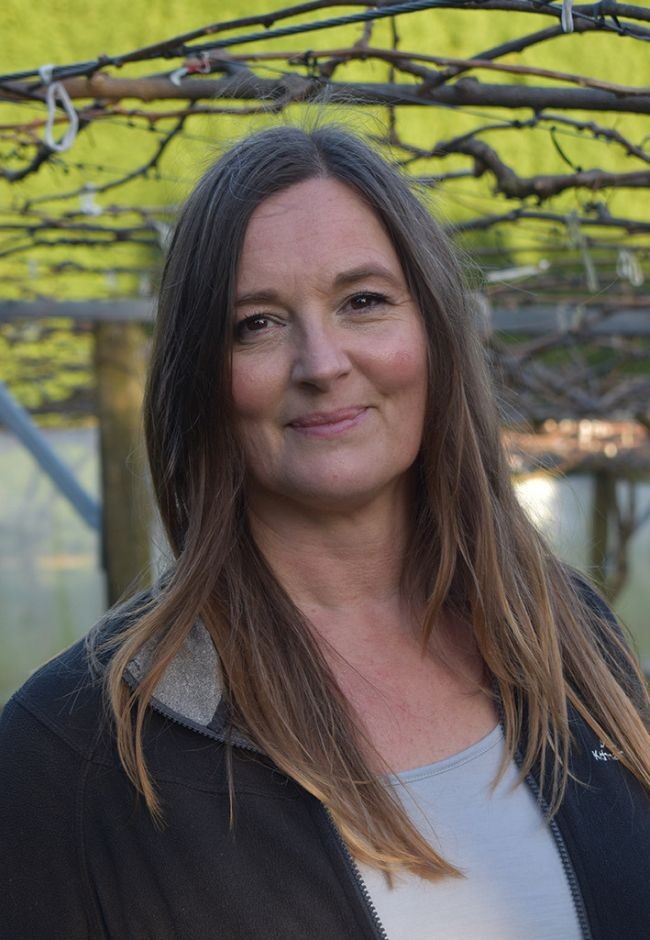
Joanna Verburg - ACT
1. Why are you interested in the position of Member of Parliament for the Coromandel Peninsula?
I am interested in representing the electorate on behalf of ACT because I’ve realised we need to fix the complete mess the current government are making of our beautiful country. Labour is driving inflation, lawlessness and division. In stark contrast ACT aspires for New Zealand to be affordable, safe and united.
2. What are the key issues for New Zealand, and how can your party contribute to solving these?
ACT is a party of policy for the people and the people of New Zealand have told us that the key issues worrying them most are the cost of living, crime, and co- governance.
Labour makes life more expensive in four ways. They tax too much of your income. Then they borrow and wastefully and spend even more, fuelling inflation, to which the Reserve Bank responds by pumping up the OCR (and your mortgage). Then they put expensive red tape on every part of life, driving up costs again.
ACT will reduce wasteful government spending by $16 billion over two years and deliver targeted tax cuts so someone earning $70k with one child will be around $2,300 better off. ACT’s Minister of Regulation will systematically, industry by industry, slash red tape across the country so Kiwis can get on and do business without being bogged down with compliance costs. That’s how we create a prosperous New Zealand.
Labour has spent the last five years cuddling criminals with the repeal of three strikes, helping prisoners get out on home detention and aiming to reduce prison numbers but not offending rates. ACT says that victims must be at the centre of the response, and that the criminals terrorising our communities must face consequences. ACT would use the Proceeds of Crime Fund to repay victims’ reparation, then collect the debt from the perpetrators. ACT would restore Three Strikes to keep the worst reoffenders off the streets and introduce instant, speeding ticket-like penalties for young offenders. ACT would abolish the prison reduction target and increase the number of prison beds, while introducing minimum literacy standards for parole. ACT would reverse changes made by National so that 17 years olds are sentenced in the adult court while increasing the number of beds in youth justice facilities and separating these out from Oranga Tamariki.
Act believes no one should be treated differently because of who their ancestors were. Labour is implementing an agenda of co government without New Zealanders’ consent. When asked, Labour refuses to be up-front about their intentions. ACT would repeal legislation with anti-democratic provisions like Three Waters and the Māori Health Authority, and ask Kiwi’s by referendum to legally define the principles of the Treaty of Waitangi as being what it actually says – that the Government has the right to govern, the government will protect property rights, and that all citizens have the same rights and duties. This would draw a line in the sand of the Treaty being used as a document of division offering different rights to different people, instead of uniting all Kiwis behind what it actually is, a document celebrating two peoples becoming one.
3. What do you think the key issues are for the Coromandel Peninsula region and how can you help to address these?
The biggest issue the Coromandel has right now is the dreadful state of the roads and in particular the closure of SH25a which can’t re-open soon enough for us. The risks to more towns being cut off are very real. I'm driving these roads all the time and it's scary, especially at night, with slips very, very close to the edge of the road along steep cliffs. Bad roads put people off investing in the area, from buying property in the area, from visiting tourist hot spots and shops. It's been hurting the local economy for a long time, after all the lock downs and bad weather people and businesses are at a tipping point.
This electorate is part of the golden triangle of Auckland, Tauranga and Hamilton, our roads are a crucial part of the infrastructure linking these centres and were never intended to carry the volume of traffic they are forced to now.
ACT is proposing to introduce a world class toll roading system. It will use private sector financing and expertise to get new roads built faster and to maintain existing roads quicker and more effectively. Under a world class toll roading system Kiwi’s will have a choice; make use of new toll roads or wait for tax funded roads to be delivered later or never. New Zealand’s existing toll roads have exceeded expectations, decreasing distance and drive times and creating much improved safety outcomes. The Northern Gateway has saved 1.23 million hours of travel time annually, and prior to the Tauranga Eastern Link there were 1.8 fatalities each year, compared to only 0.17 now. New Zealand can’t afford not to have more infrastructure like this.
4. If you are elected as MP for the Coromandel how do you plan to keep in touch with your constituency?
ACT only campaigns for the Party vote, however if I was elected I would stay in touch with the constituents by holding regular workshops in each town, I would have an electorate office where people can contact me and I would be visible in the community through walkarounds and attending public meetings, keeping up to date with local issues.
5. If you are elected as MP for the Coromandel what do you think a typical day would look like?
If I was representing the electorate, being so new to politics, I would inject a totally fresh perspective on things and work extremely hard. I have the background, skills, energy and empathy to represent all the people in the electorate very, very well.
6. What do you love about the Coromandel Peninsula and why?
The Coromandel is beautiful. I’ve always loved the beaches, bush and climate. I’m a very creative person, I even went to art school, and have always loved visiting the many great artists, potters and craftspeople that inhabit the area. I also love the diversity of the area, in both the people and economies, it’s a fun electorate to represent. We’ve got so much going on here from fisheries to forestry, horticulture and mining, property developers and young tradies right through to retired elderly people. It’s a real representation of NZ.
Contact details for Coromandel General Election Candidates

Related Links
Who are the 2023 Coromandel Peninsula New Zealand Election Candidates?More Community Stories


Tairua PEPE STREAM BRIDGE REPLACEMENT NEWS

State Highway 25 and 25A Roading updates – plus local roading network news and announcements

Wahi Tukurua Fundraising Campaign that plans to Bring National Insights Home to Whitianga Volunteers

Recognising volunteers during National Volunteer week
Celebrating 25 Years of Play: Whitianga Toy Library’s Silver Anniversary

Every Bite: Helping Mercury Bay Households Cut Food Waste

Brett Howes: Bringing Nature and Adventure to Local Literature

Thirsty Thursday Cafe News with Wāhi Tukurua

A Flight of Fancy with Annah Stretton and Friends prepares for touchdown

Tairua initiative raises nearly $10,000 for Project Mammogram

Creative Coromandel Brings Creative Conversations to Whitianga
-
{{#owner}}
-
{{#url}}
{{#avatarSrc}}
{{name}} {{/url}} {{^url}} {{#avatar}} {{& avatar}} {{/avatar}} {{name}} {{/url}} - {{/owner}} {{#created}}
- {{created}} {{/created}}